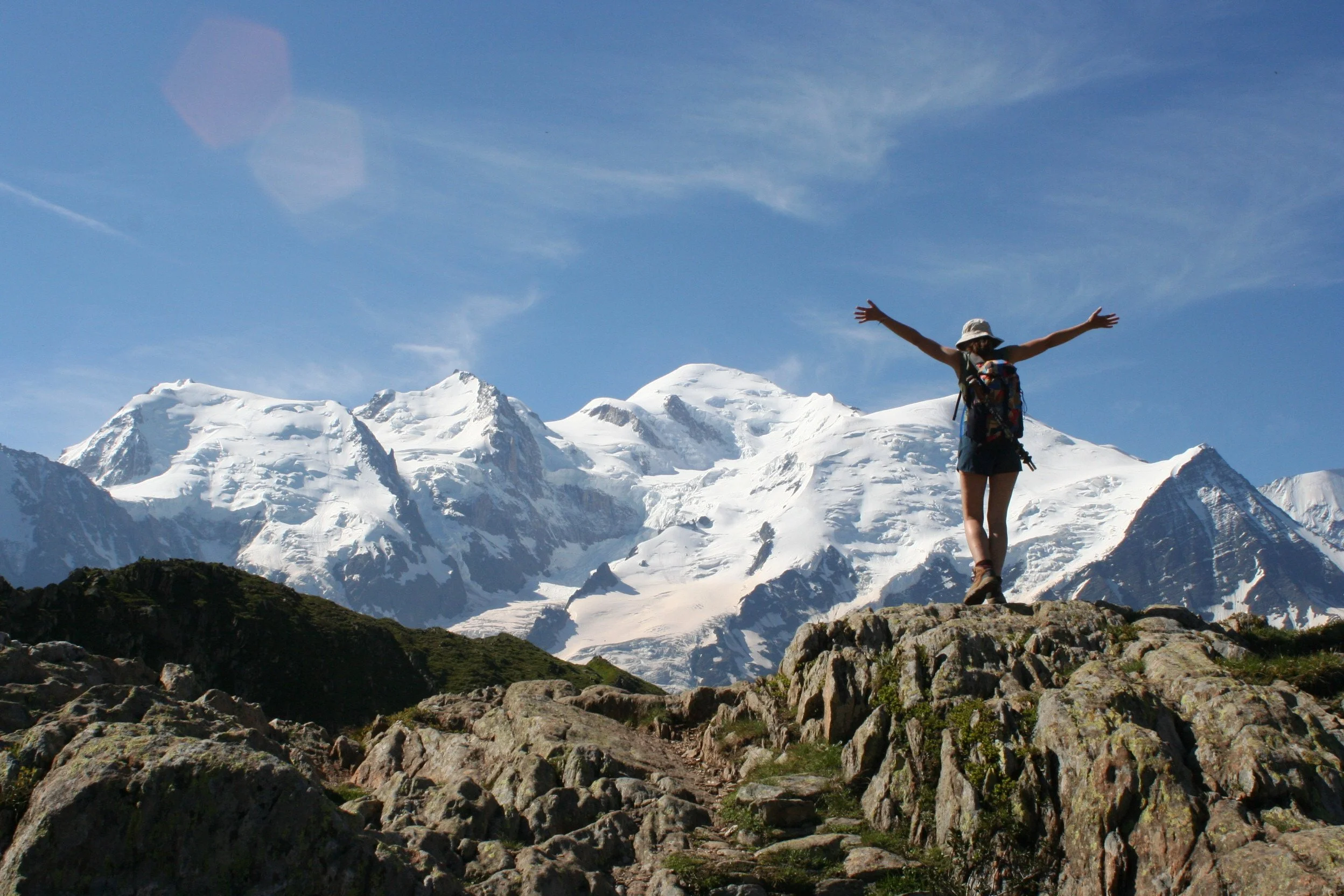
Alpine Divorce: When your POS partner abandons you in the Woods
Picture This:
Your partner plans a romantic hiking date.

You don’t have much wilderness experience, but your partner does, and you trust them to be in charge while you enjoy the flower fields, chattering rodents, and remote alpine views.
Y’all discover a scenic overlook. Tranquil silence spreads across the valley below. As far as you know, you and your partner are the only people for miles around, kept company only by the local flora and fauna. You turn to them, expecting to share a romantic kiss when…
They break up with you. Just like that.
A fight ensues, and in the heat of the moment, they storm away, leaving you seething, staring out at the valley-now-tinged-red from your rage.
When the adrenaline fades, you turn to head home, no longer enchanted by your surroundings, when a newfound panic hits you- you have no idea how to get back! Or where you are. Or how to tell North from West. Or, or, or…
Shit.
You have no outdoor experience, and the person you were relying on has not only broken your heart but also abandoned you in the desolate wilderness.
You have just been Alpine Divorced.
Some people think calling this attempted murder would be going too far. I am not one of these people.
Most victims of Alpine Divorce are women, often with some level of dependence on their partner in nature. They may lack proper gear, supplies, or understanding of the terrain. Depending on how remote/populated the trail is, how far they hiked, how well marked/confusing the paths were, what supplies they have in their pack, what time of day it is, what the weather is like, and a slew of other factors, an Alpine Divorce could very well result in the end of the victim’s life.
And their hiking partner knows that.
At the very least, we can legally call Alpine Divorce “gross negligence”. People have been tried and punished for this in court, though many states and countries don’t have specific laws against it. Most cases go unreported, and most Divorcers get off scot-free.
Depending on the circumstances, the abandoned partner may suffer from severe distress, PTSD, and in very extreme cases, this abandonment could result in the victim’s physical injury and even death.
Even if you have complete confidence that your partner would never do this to you, it’s still important to prepare properly anytime you visit the outdoors, so that you and your adventure companions can be safe. Accidents happen, and though unlikely, it is always possible you may at some point become separated from your hiking partner. If this happens, you’ll be thankful you took precautions ahead of time.
Planning can save your life in the wilderness. Especially if your partner subjects you to an Alpine Divorce.
So how can you protect yourself from this desolate fate?
I have five simple tips for you.
My first and easiest bit of advice would be:
1. Don’t go hiking with a partner you don’t know well or don’t trust.
This includes new partners, partners you get any uneasy feeling from, partners who are secretive, volatile, or, for whatever reason, you just don’t fully trust them.
2. Follow them.
If it is safe for you to do so, even at a distance, follow your partner when they storm away. Use your better judgment, since an explosive person can sometimes be more dangerous than being left alone in the wild, but keep in mind that your now-ex is probably heading back down the mountain to where you came from (and the vehicle you came in).
3. Prepare, prepare, prepare.
Download the trail you’ll be hiking on ahead of time. If possible, get a physical map too, as a backup. (Digital Maps can be saved on apps like AllTrails or in the photo album on your phone.)
Tell people you trust ahead of time: who you’re hiking with, where you’ll be hiking (send them a copy of the map & trail name), when you plan to leave and come back, and what to do if they don’t hear from you.

You may be hiking somewhere so remote you won’t have internet access, but nonetheless, share your location on your phone with one or multiple people you trust, like a parent, sibling, or best friend.
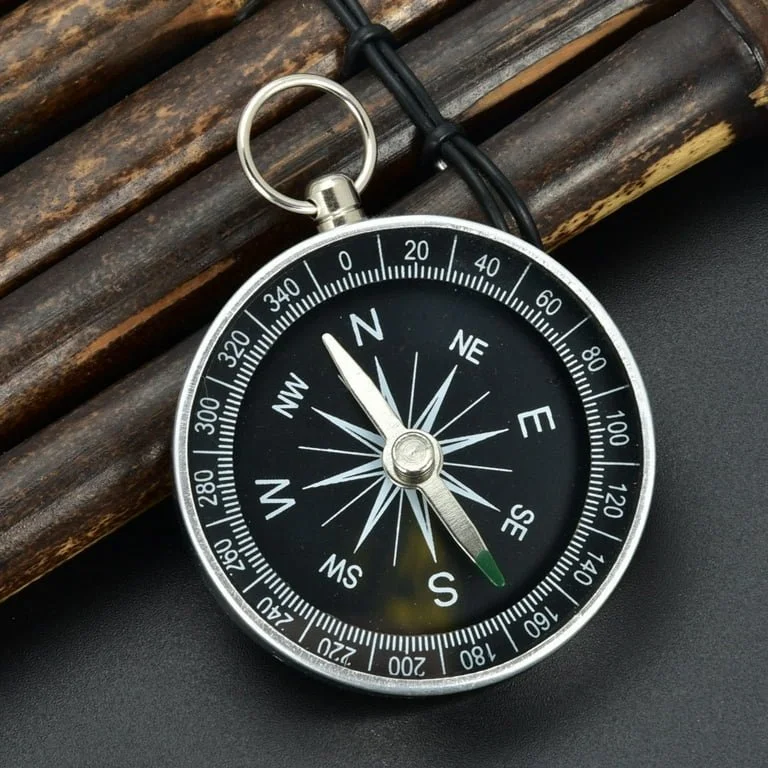
Make sure both (or all) hikers have copies of all important emergency supplies in case you get separated: compass, physical maps, water, snacks, first aid supplies, flashlight, knife, safety whistle.
You may also want to pack bear spray, a hat, sunglasses, rain gear, or other relevant equipment.
4. Learn a few basic survival skills.
(If you don’t think you can remember the following facts, write them down and pack copies when you hike.)
For example:
Learn how to read a map. Having one won’t do you much good unless you can figure out where you are, what direction you came from, and where you’re trying to go.
Running water flows downhill into valleys. If you hiked up a mountain, you can probably follow a river back down to near where you started.
How to tell direction (if, whoops, you didn’t bring a compass). First of all, pay attention to the general direction you came from and where you’re headed. If you retrace your steps on the return trip, you’ll know roughly which direction to go.
Sun Location: The sun rises more or less in the East and sets in the West. Before the dead of midday (around noon), the sun should be sort of in the East, and after midday, it will be sort of in the West.
Shadow Method: Stick a stick in the ground (haha) and mark the tip of the shadow with a mark in the dirt, a pinecone, a stone, or anything else. Wait around 15 minutes, then mark the new shadow tip. The first mark is West and the second is East.
Moss commonly grows on the North side of trees. North and South are opposites, West and East are opposites. Starting from the left of a compass and moving clockwise (up, right, then down), the directions go: West, North, East, and South.
Research the geography and terrain of the place you’ll be hiking, and look up relevant safety facts, including what dangerous plants and animals may be around, extreme weather to prepare for, potential lack of internet service, and more.
5. Don’t be embarrassed.
I could go on about how getting Alpine Divorced is not your fault, not something to feel ashamed of, and not something to internalize. I could say that the Divorcer bears the responsibility, guilt, is a piece of shit, and should go to hell. (Did I go too far? Or not far enough.)
But right now, I’d rather focus on saving your life than your ego.
Do not–I repeat, DO NOT–allow yourself to be too embarrassed, shy, or prideful to ask for help if you’re fortunate enough that it presents itself to you. If you come across another hiker, or hallelujah!–A park ranger–ask them for help. Use your better judgement of course, but most folks on the trails are good people who don’t abandon their partners in the wilderness with malice of forethought…they are normally more than happy to help.
If you’re uncertain about the nature of people, trust coupled hikers, women, and families over solo men.
You do not need to share your entire predicament with a stranger. It’s sufficient to say you got turned around and are trying to head back to the trailhead. They can point you in the right direction.
Some More Thoughts on Alpine Divorce:
In case I didn’t make this plain, I was completely disgusted to learn the term “Alpine Divorce”, and horrified to discover it’s something of a common occurrence. Countless support groups exist for people who have been through this.
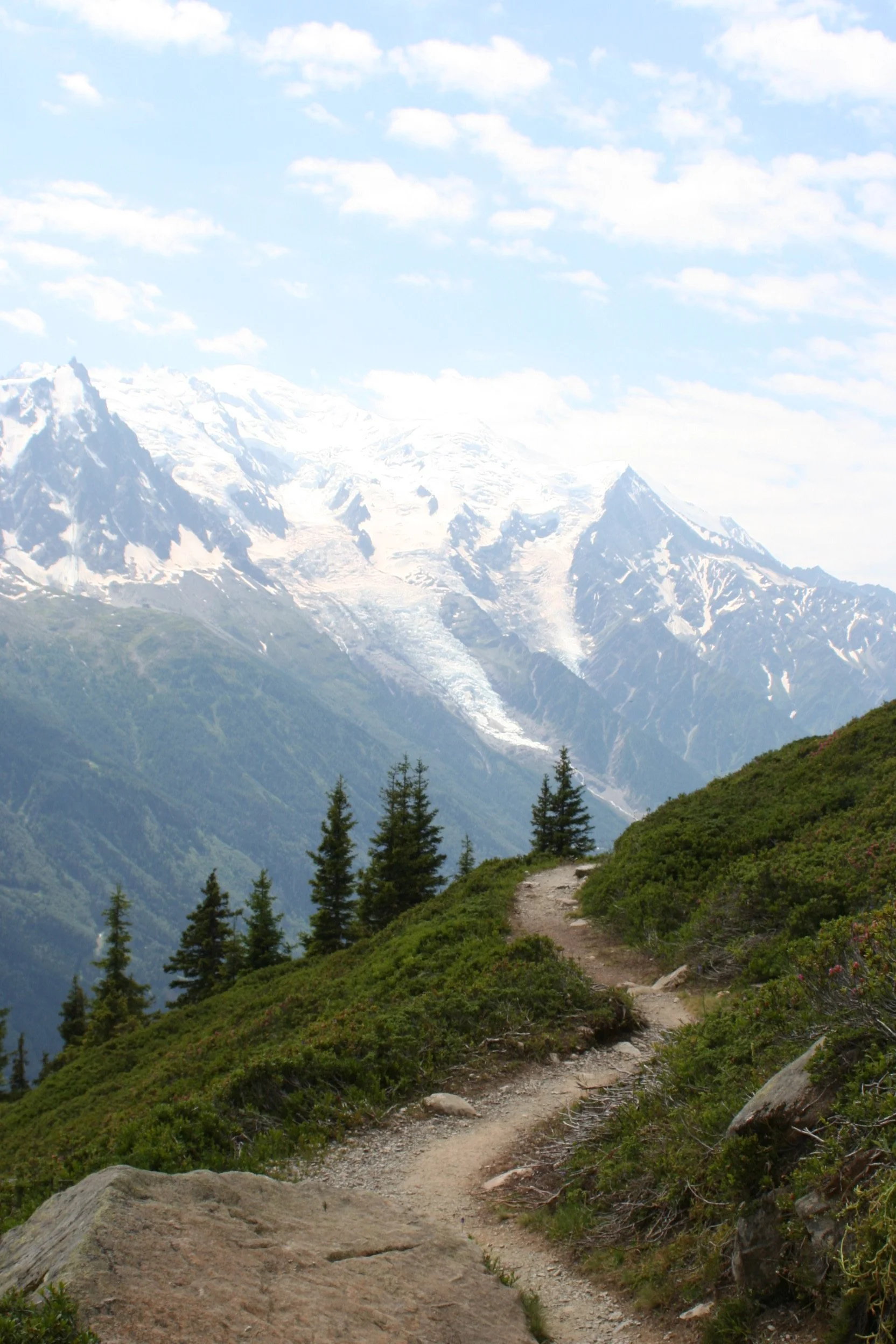
Not only does it traumatize the victim relationally, it also perverts their relationship with the outdoors, causing them to fear what can be expansive and freeing, and siphon off that intrinsic connection we all have with nature. Everyone has the right to enjoy and explore the natural world, and to have that path of opportunity stripped from you is a sick thing.
I’m sure sometimes “Alpine Divorce” can really happen in the heat of the moment, the offending partner storming away, blinded by their inability to emotionally regulate. And even in this scenario, the offending partner has still knowingly left a person with no outdoor experience alone to fend for themself.
Worst case, the offender has lured their partner to a desolate location with the intention of riling them up emotionally, then abandoning them to the elements. I would call that attempted murder!
But that’s me.
Perhaps I’m being too harsh on the Divorcers. Maybe I should just invite them to an isolated location where they have no relevant survival skills and leave them there to think about it.
There are a lot of caveats and nuances to Alpine Divorce. Some trails are more populated than others; some locations are more desolate, yadda, yadda, but essentially? Yes, I could easily qualify Alpine Divorce as attempted murder, callous, cruel, and a terrible practice of which no one deserves to be on the receiving end.
Final Thoughts
It doesn’t matter how much you love your partner and trust they love you; you simply never know what might happen in the outdoors. Things can go south in a split second.
You may wind up separated due to natural circumstances, Alpine Divorce, or an act of God, and the result will be the same.
Be smart. Listen to your gut. Get prepared.
Regardless of who is responsible for your situation, it’ll be your responsibility to get yourself to safety if somehow, in the wilderness, you end up alone.